

Chapter 2: There's no right way to do the wrong thing
In chapter 1 we left you with this question:
Can you truly respect animals if you still consume their flesh, milk, and eggs?
After watching the footage, it’s natural to feel shocked, sad, or even angry.
But this suffering isn’t an accident - it’s the inevitable outcome of a deeply ingrained belief: that animals exist for us to use.
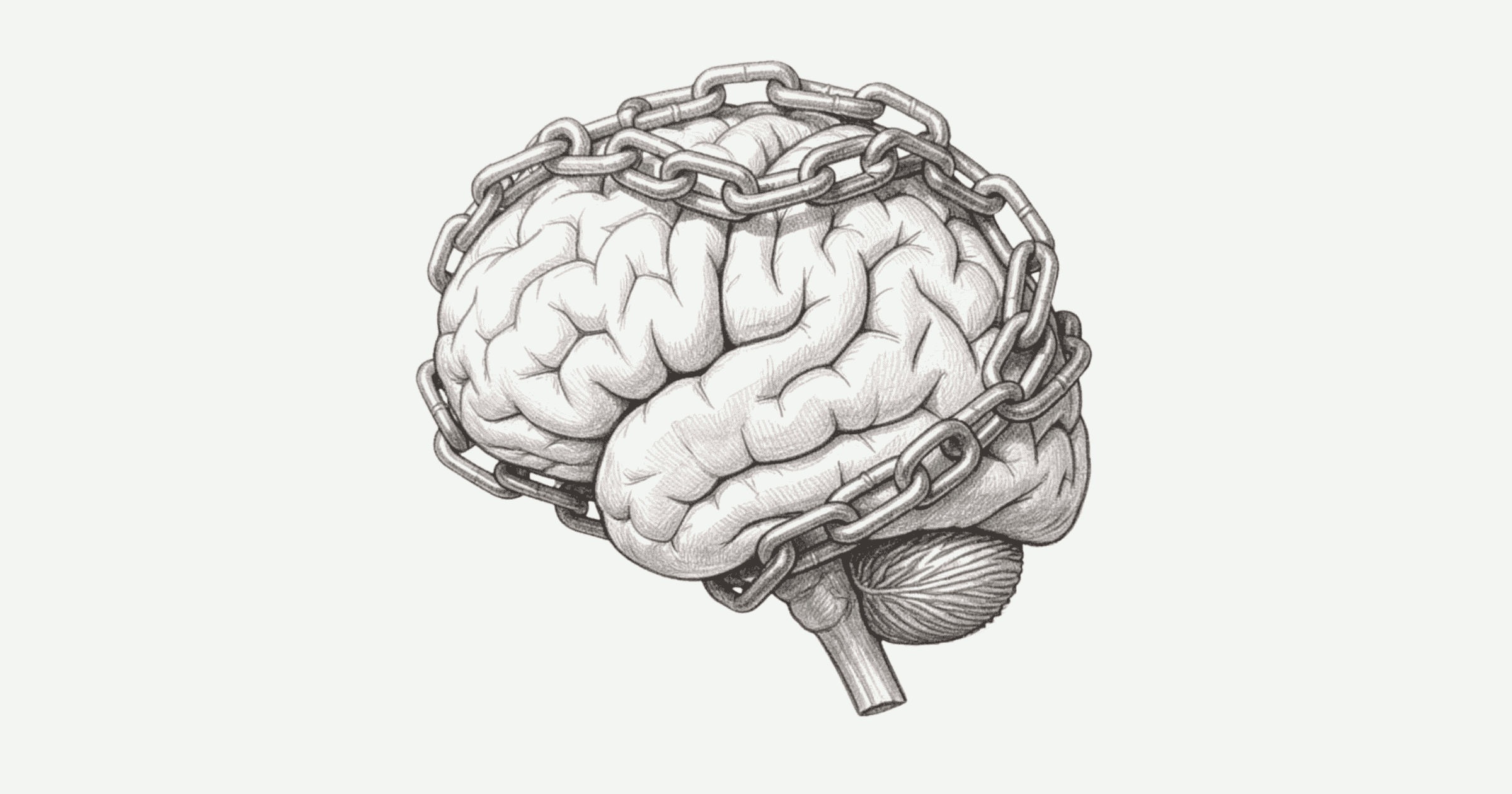
You might think the solution is simply to move away from factory farming - to improve conditions or make things ‘better’ for the animals.
But when we do this, aren’t we just trying to justify exploiting them in a slightly kinder way?
The real shift comes when we stop seeing animals as ours to exploit in the first place.
When we stop treating them as objects, units of production, or property.
History reminds us why this matters.
When humans were enslaved, improving conditions never made slavery ethical.
The injustice wasn’t in the treatment - it was in the entire concept of ownership.
If the underlying principle of slavery is unjust, regardless of a slave’s treatment, can exploiting animals ever truly be justified, no matter how ‘humane’ it looks?
It’s not about better conditions or reducing suffering; it’s about a deeper mindset shift in how humans view animals.
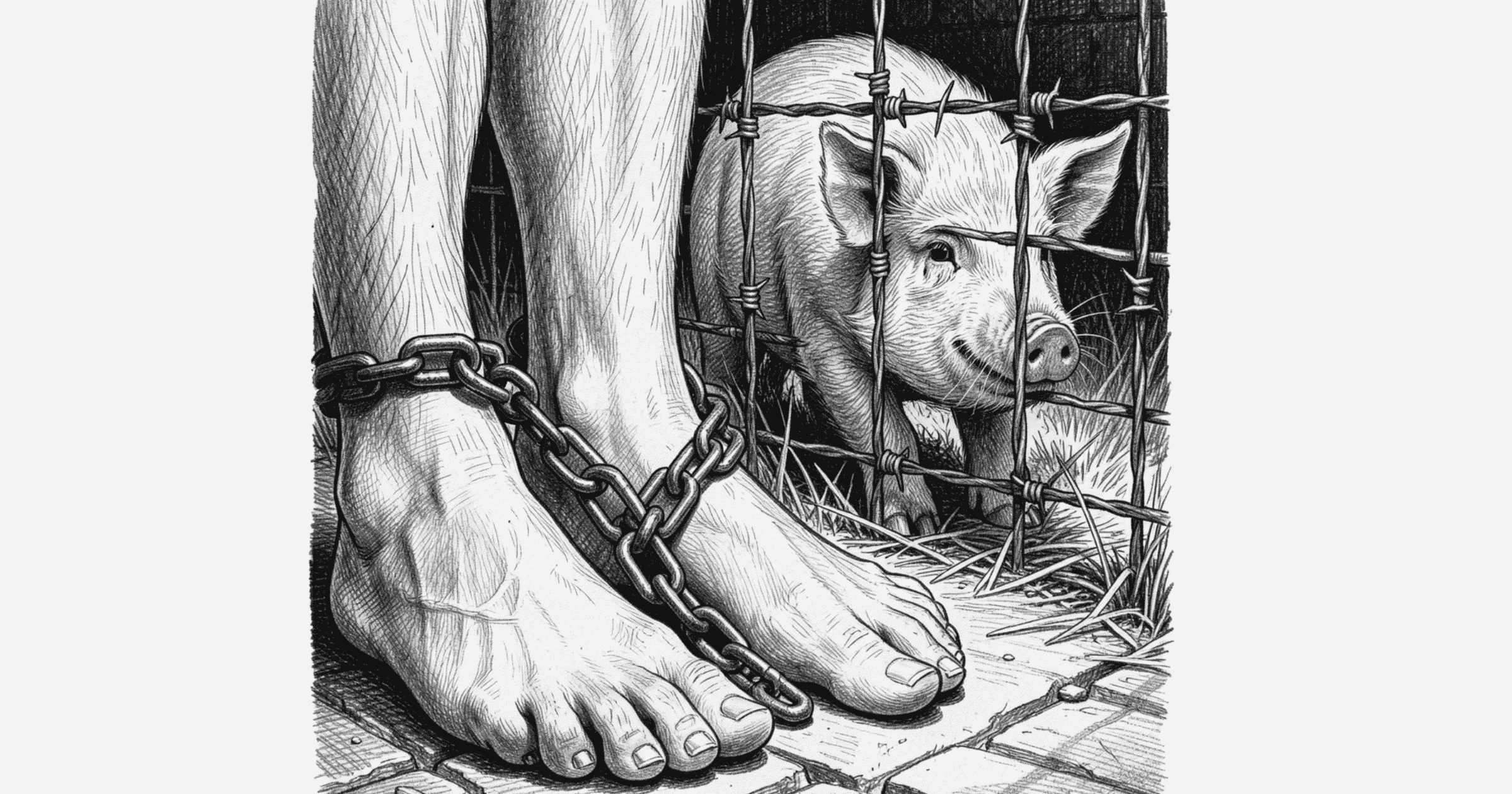
Until we challenge the idea that animals exist for us to use, the exploitation - and the suffering - will continue.
There is no right way to do the wrong thing.
Many people think veganism is about ‘love’ or ‘compassion’ for animals.
But that is misleading.
Rights are not determined by how affectionate, loving, or well-meaning you feel.
Whether you like - or even love - someone should have no bearing on their rights.
Think about it this way:
If you don’t beat up children, that doesn’t make you a compassionate person by default - you’re simply doing the sane and rational thing.
You can even dislike or hate someone, but that doesn’t justify violating their rights.
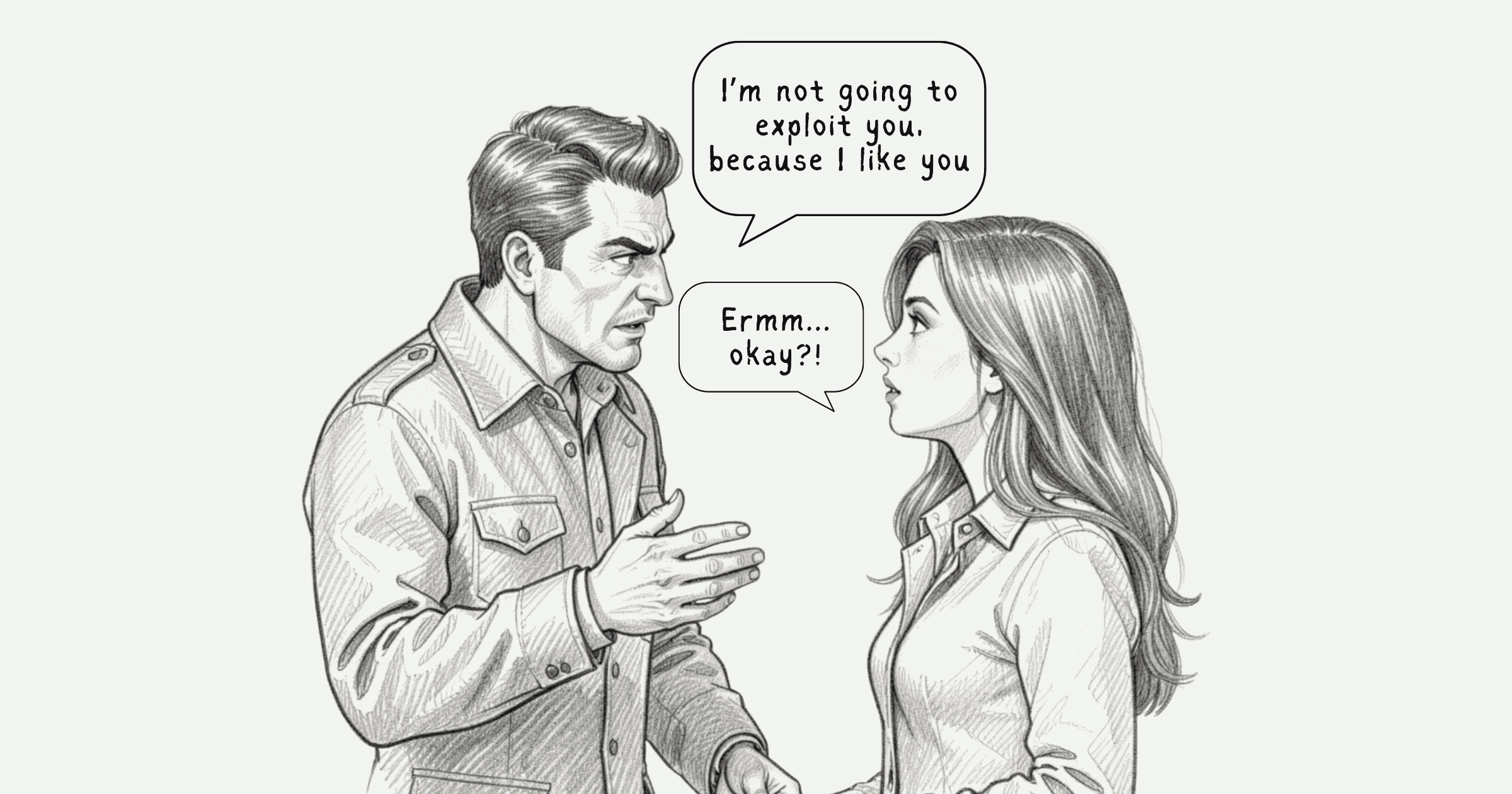
There is no need to be an ‘animal lover’ - what matters is understanding the difference between right and wrong.
No one would ever say that a small amount of child abuse is acceptable; it is clearly unacceptable, and the same principle applies to other sentient beings.
Veganism is about respect and justice, not affection, positivity, or feelings.
Acting ethically does not depend on love or compassion; it depends on doing what is right.
So ask yourself this: